Pathways Guiding Participants Toward Real-Time Soccer Markets, Dynamic Racing Adjustments, and Active Casino Environments
Greta Krause · Jul 11, 2026

Pathways Guiding Participants Toward Real-Time Soccer Markets, Dynamic Racing Adjustments, and Active Casino Environments
Modern platforms structure entry sequences that move participants from initial registration directly into environments featuring live soccer markets, racing odds that shift with each development on the track, and casino floor simulations streamed in real time, and these sequences rely on integrated verification steps, deposit mechanisms, and interface designs that prioritize speed while meeting regional compliance standards.
Initial Registration and Identity Confirmation
Users begin with account creation forms that collect basic details such as email addresses, phone numbers, and identification documents, after which automated systems cross-reference information against government databases to complete verification within minutes rather than hours, and this process allows immediate access to demo modes or limited real-money features once approved.
Platforms incorporate biometric options like facial recognition or fingerprint scans on mobile devices to streamline repeated logins, while desktop pathways often pair with email confirmation links that activate full functionality, and these methods reduce friction that previously delayed entry into active betting sections.
Funding Accounts and Accessing Core Markets
After verification, deposit interfaces connect to banking partners, e-wallets, and card processors that support instant transfers, enabling users to fund accounts and proceed straight to live soccer markets where odds update continuously based on match events, player substitutions, and goal probabilities calculated through algorithmic models.
Racing sections display tote pools alongside fixed-odds displays that adjust automatically as new information arrives from track officials, and participants can place wagers on upcoming races while monitoring price movements that reflect betting volume and late scratches, and casino environments load table games with live dealer feeds that mirror physical floor operations through high-definition streams.
Integration of Live Data Feeds Across Categories
Technical backends pull soccer statistics from official league sources and feed them into pricing engines that recalculate odds in seconds, whereas racing data arrives via dedicated feeds from governing bodies that track horse positions, weather conditions, and jockey changes, and casino table actions transmit through secure video links that maintain synchronization with physical outcomes.
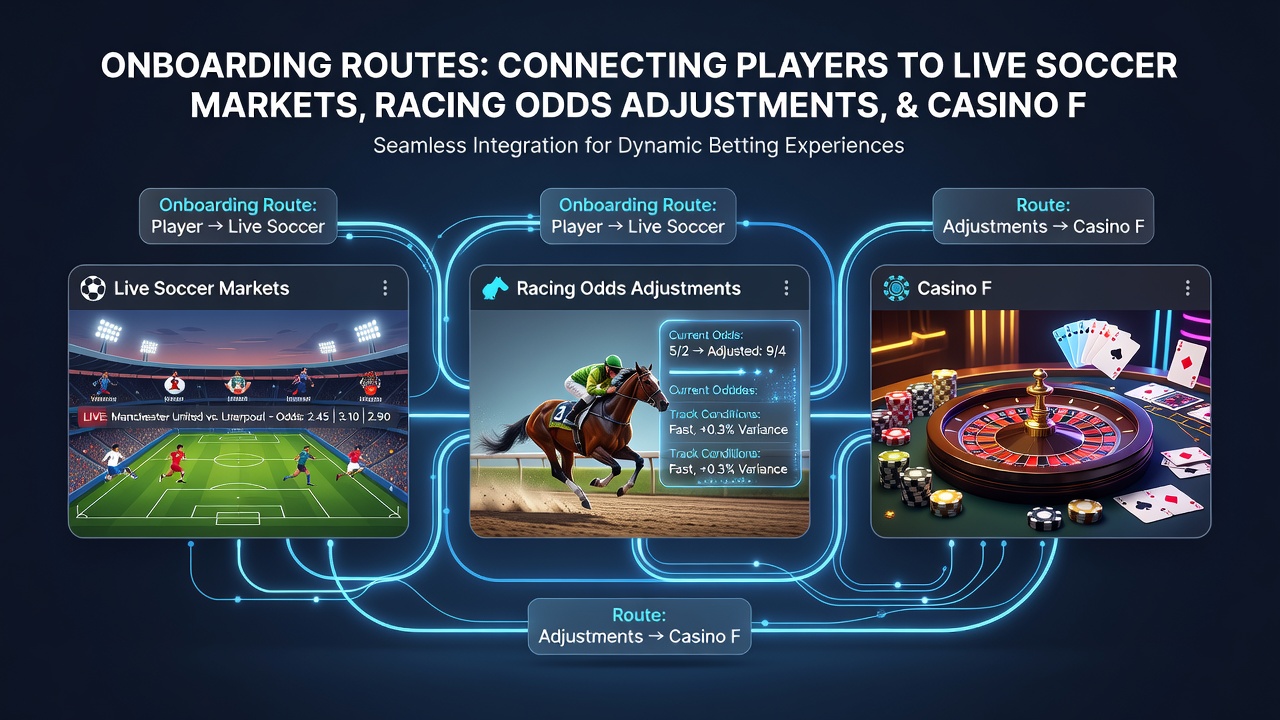
One study from the University of Nevada Reno examined how these synchronized feeds affect user retention rates across multiple jurisdictions, and findings indicated that platforms maintaining sub-second latency between event occurrence and odds display saw higher engagement levels in both soccer and racing verticals. Observers note that similar patterns appear in casino offerings where table momentum updates match physical dealer actions without noticeable delay.
Regulatory Adjustments Scheduled for July 2026
Operators across several markets prepare system updates ahead of July 2026 deadlines that require enhanced machine testing protocols and stricter payout verification for automated casino games, and these changes influence onboarding by incorporating additional compliance checks during the first deposit stage rather than after users enter live sections. Data from the Alcohol and Gaming Commission of Ontario shows participation metrics remaining stable despite similar prior adjustments, suggesting that streamlined entry routes can accommodate new requirements without extending registration times.
Platforms test updated interfaces that flag any gaming machines scheduled for removal or modification, guiding users toward compliant alternatives during the transition period, while soccer and racing modules continue operating under separate licensing frameworks that already mandate real-time reporting of odds movements.
Support Structures and Withdrawal Processes
Round-the-clock assistance appears through in-app chat, email ticketing, and dedicated phone lines that connect users facing verification delays or questions about live market rules, and these resources activate early in the onboarding sequence to prevent drop-off before participants reach soccer, racing, or casino content. Withdrawal flows mirror deposit pathways by linking back to the same payment methods, with processing times that vary according to verification status and regional banking regulations.
Industry reports from the American Gaming Association document how integrated support reduces resolution times for account-related issues, allowing quicker returns to active markets where odds continue to evolve and table games maintain continuous operation.
Conclusion
Entry sequences that link registration, funding, and live access create efficient routes into soccer markets with continuous updates, racing environments featuring automatic price adjustments, and casino setups replicating floor-level action, and these pathways adapt to upcoming compliance shifts such as those planned for July 2026 while maintaining connectivity across device types. Data from multiple regulatory regions and academic sources confirm that platforms prioritizing rapid verification and low-latency data feeds sustain steady user progression through each stage.