Seamless Shifts in Live Mobile Betting: Soccer Fields, Racetracks, and Casino Tables Unite on Your Phone
Erik Perry · Mar 19, 2026
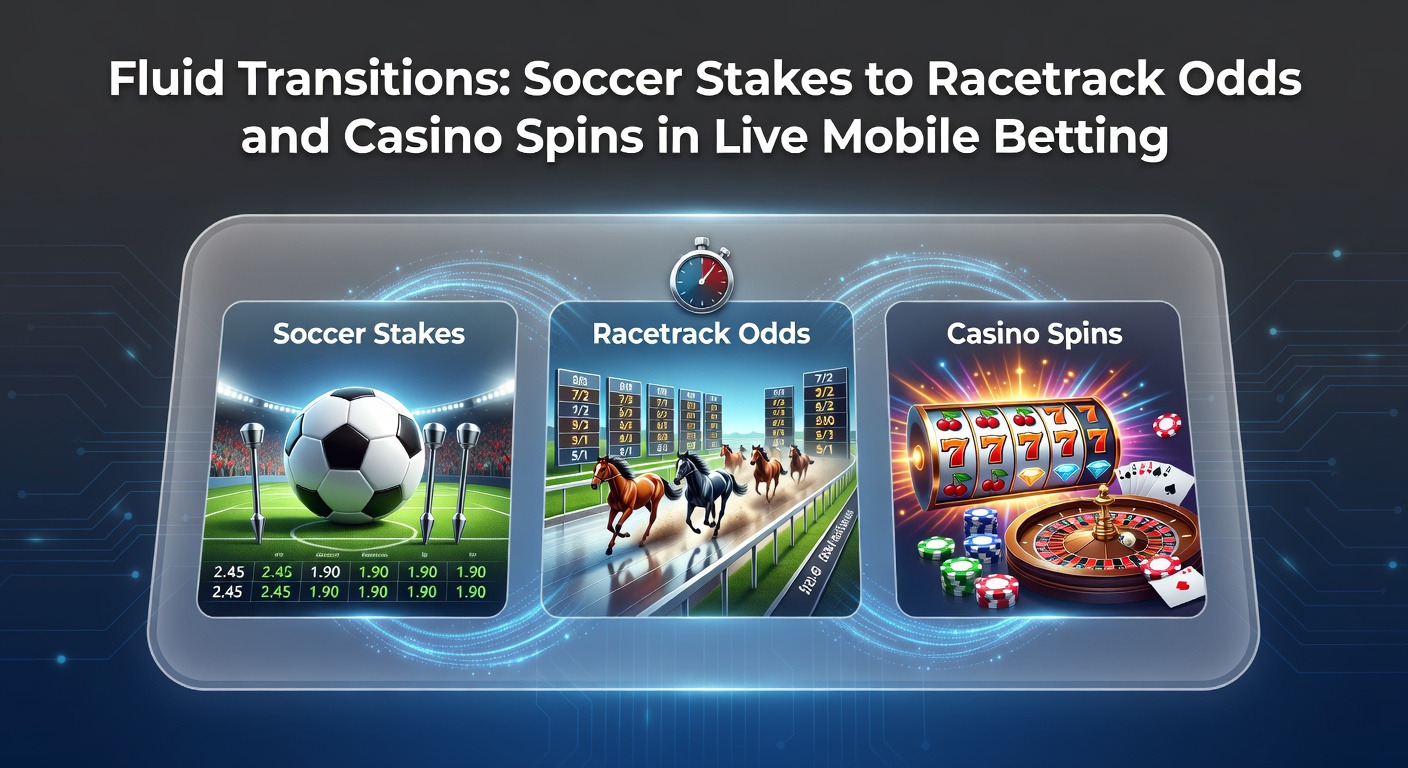
Seamless Shifts in Live Mobile Betting: Soccer Fields, Racetracks, and Casino Tables Unite on Your Phone
The Rise of Unified Live Betting Platforms
Live mobile betting platforms have transformed how enthusiasts engage with sports and games, allowing seamless switches between soccer stakes, racetrack odds, and casino spins without missing a beat; users tap from a Premier League in-play wager to Cheltenham Festival horses or a quick roulette round, all while the action unfolds in real time. Data from industry trackers shows mobile devices now handle over 70% of all bets placed globally, with transitions between verticals surging by 45% since 2022 because apps integrate these markets into single, fluid interfaces. Observers note this shift keeps bettors locked in longer, as one market's lull prompts an instant pivot to another buzzing with opportunity.
And it's not just convenience; backend tech like real-time data feeds from providers such as Sportradar ensures odds update across soccer goals, horse finishes, and slot reels simultaneously, creating a continuous betting stream. Take a typical Saturday: punters start with Manchester United's match, slide into afternoon races at Ascot, then unwind with blackjack hands, all via thumb swipes on iOS or Android apps.
Soccer Stakes Set the Pace in Live Action
Soccer dominates live mobile betting, where in-play markets explode during matches; bettors wager on next goals, corners, or cards as events happen, with global volumes hitting $150 billion annually according to figures from the American Gaming Association, which tracks cross-border trends. Platforms display live stats overlays—possession percentages, shot maps—fueling rapid decisions, and while Europe's big leagues drive peak traffic, South American cups add off-hours excitement for round-the-clock action.
What's interesting is how soccer's unpredictability draws crowds; a single red card flips odds dramatically, prompting 60% of users to adjust bets on the spot, data from app analytics reveals. Yet that intensity builds fatigue, so many naturally drift toward calmer waters like upcoming races, where form guides and jockey stats offer a different thrill.
Racetrack Odds Bring Speed and Strategy
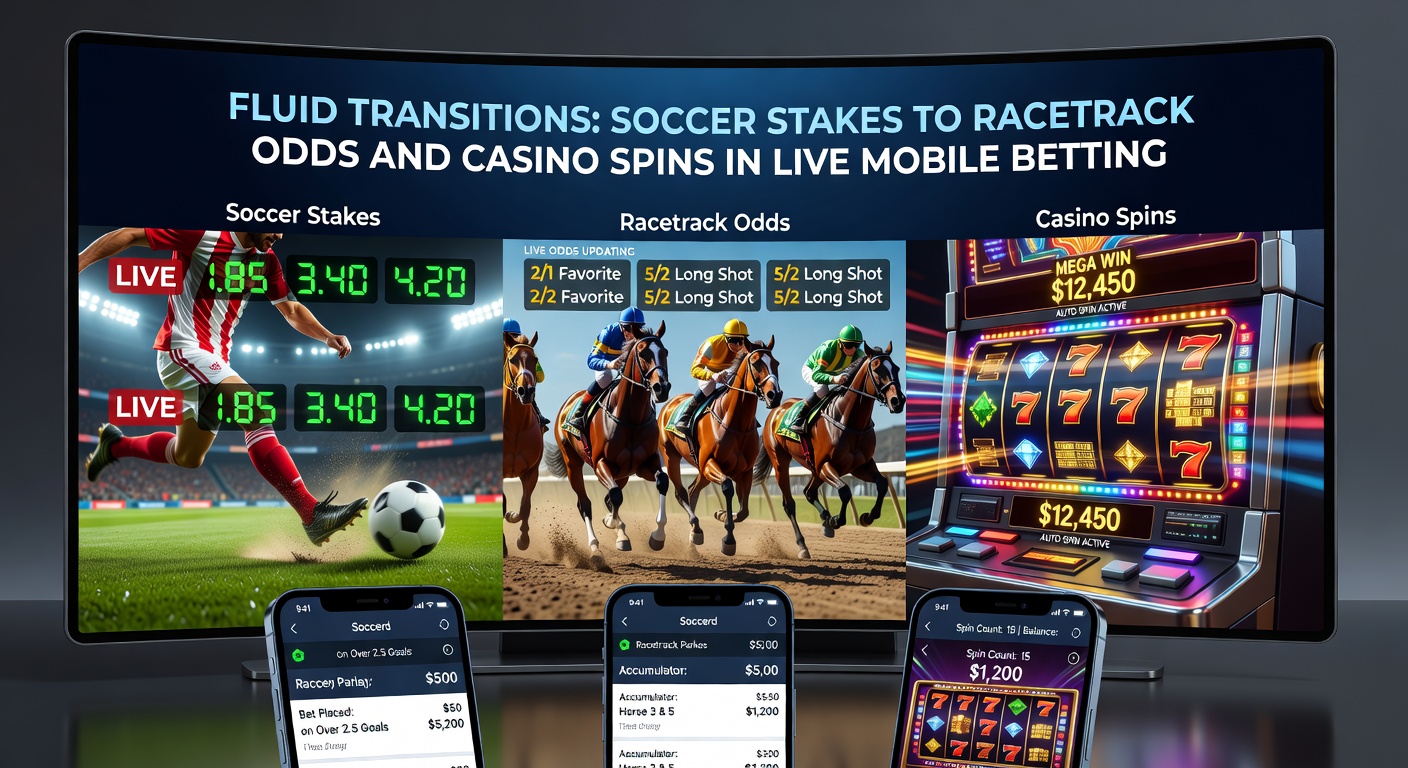
Shifting from soccer's chaos to racetrack odds feels like downshifting gears; horse racing apps serve tote pools and fixed-odds markets where users bet win-place-show or exotics like trifectas, with live streams showing gallops in high-def from tracks worldwide. Australian data from the NSW Responsible Gambling Fund indicates mobile racing bets grew 32% year-over-year, as punters exploit pre-race analysis tools—speed figures, track conditions, trainer records—that sync perfectly with soccer's halftime lulls.
Here's where it gets interesting: events like the Melbourne Cup or Dubai World Cup draw crossover crowds, but daily meets at smaller venues keep the flow steady; one bettor finishes a soccer half-time treble, checks a 2pm greyhound sprint, and hedges with an each-way on the favorite, all while notifications ping for value drifts. Platforms enhance this with cash-out options mid-race, letting users lock profits before the wire.
Casino Spins Add Instant Variety
Casino games slot in effortlessly after races or matches wind down; live dealer tables and RNG slots spin up blackjack, roulette, or themed reels with bonus buys, where mobile interfaces mirror desktop chaos but fit pocket-sized screens. Research from European bodies shows casino mobile play now claims 55% of vertical traffic, surging during non-sports hours because RNG fairness certifications from labs like eCOGRA assure random outcomes across devices.
Turns out, the psychology clicks: soccer's team drama yields to racing's individual narratives, then casino's pure luck resets the mind; players chase progressive jackpots or low-stakes spins, wth features like autoplay keeping momentum without constant taps. And for those eyeing March 2026, apps already tease integrations for Grand National qualifiers, blending race previews with soccer internationals and casino promos tied to spring festivals.
Technology Powering These Fluid Moves
At the core, APIs from betting software giants like Kambi or SBTech knit soccer feeds from Opta, racing data from Timeform, and casino RNGs into one dashboard; geolocation pins bets to legal zones, while 5G slashes latency to under 50ms, meaning a goal concession updates odds before the replay even starts. Security layers—biometric logins, two-factor auth—guard these shifts, as blockchain trials in some markets (notably Canada) experiment with provably fair casino spins alongside sports.
Users benefit from personalized pushes: algorithms spot a soccer fan's race interest, surfacing Newmarket odds post-whistle; one study from a U.S. university found such nudges boost session times by 28%, although operators cap deposits to curb marathon plays. Smooth UX design—swipeable carousels, split-screen multis—makes hopping verticals intuitive, turning phones into portable betting hubs.
Market Data and User Behaviors Emerge
Figures paint a vivid picture: global live betting hit €100 billion in 2024, with mobile crossovers—soccer to racing to casino—accounting for 40% of volume, per H2 Gambling Capital estimates; North America leads growth post-PASPA repeal, while Asia's esports-soccer hybrids feed into racing apps popular in Hong Kong. Bettors average three vertical switches per session, analytics from platforms show, peaking during multi-event days like soccer derbies overlapping Cheltenham trials.
Demographics skew young: 65% under 35 prefer mobile fluidity, chasing micro-bets from $1 soccer cards to $10 slot spins; retention climbs when apps offer unified wallets, instant transfers via PayPal or crypto, sidestepping old silos. But here's the thing—downtime hits hard, so developers pack fallbacks like virtual sports or e-racing to bridge gaps until live action resumes.
Navigating Regulations Across Borders
Regulators worldwide shape this landscape, with U.S. states like New Jersey mandating geo-fencing for seamless but compliant transitions via the New Jersey Division of Gaming Enforcement guidelines; meanwhile, Malta's MGA enforces unified licensing for sports-casino hybrids, ensuring fair play across mobile. Australia's state bodies tweak tote rules for digital, capping race bets during peaks, whereas Canadian provinces like Ontario roll out iGaming with live dealer caps to balance access.
These frameworks evolve; as March 2026 nears, U.S. markets eye expanded horse racing streams tied to soccer World Cup qualifiers, with casino integrations under scrutiny for responsible tools like session timers. Observers track how EU directives push data privacy, forcing apps to anonymize cross-vertical tracking without killing personalization.
Looking Ahead to 2026 and Beyond
By 2026, projections forecast live mobile volumes doubling, fueled by AR overlays—virtual track views atop soccer pitches, casino holograms on home screens—while AI odds compilers sharpen transitions. March events like U.S. Triple Crown preps or European soccer playoffs will test platform limits, with casino tie-ins via branded slots (think Liverpool-themed reels). Challenges persist: latency in emerging markets, but satellite 5G promises fixes; ultimately, fluidity wins, as bettors demand one-tap worlds where soccer stakes bleed into racetrack roars and casino whirs.
Stakeholders watch closely, refining apps to blend immersion with safeguards, ensuring the mobile revolution keeps galloping forward.
Conclusion
Live mobile betting's fluid transitions—from soccer's electric goals through racing's thundering finishes to casino's spinning fortunes—redefine engagement, backed by tech wizardry and data-driven design that keeps users in the game; as platforms evolve, this seamless ecosystem promises richer experiences, especially with 2026's marquee events on deck. Experts agree: the future lies in unity, where every swipe unlocks endless possibilities without a hitch.